- 9030350101
- ppkokapet@podarprep.com


How to Teach Numbers to Kids: Fun Ways to Get Started
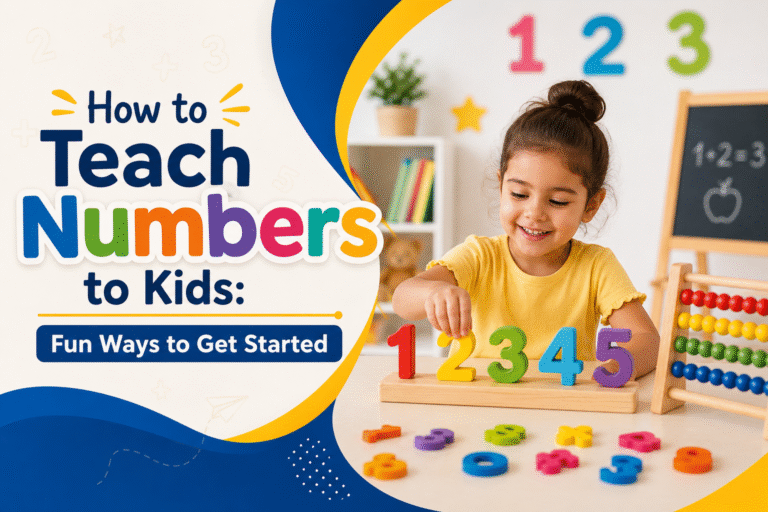
How to Teach Numbers to Kids: Fun Ways to Get Started
Numbers are everywhere, on clocks, calendars, cereal boxes, and even in the number of cookies a toddler insists on having “one more” of. For young children, numbers aren’t just abstract symbols; they’re a doorway into understanding the world around them. But how do you make that first introduction to math feel exciting instead of overwhelming?
The good news is that children learn best through play, not worksheets. With the right mix of games, stories, and everyday moments, numbers can become one of the most fun parts of a child’s day. Here’s how parents and educators can make it happen, insights we practice every day at a trusted playschool in Kokapet, where early learning is built around curiosity and joy.
Why Early Number Sense Matters
Before children can add or subtract, they need something called “number sense”, an intuitive understanding of quantity, order, and relationships between numbers. Research in early childhood education shows that strong number sense in the preschool years predicts stronger math skills later in life. The goal isn’t to rush toward writing digits or memorizing facts, but to build a natural comfort with counting, comparing, and recognizing patterns.
Fun Ways to Introduce Numbers to Kids
1. Count Everything, Everywhere
Turn counting into a daily habit rather than a lesson. Count steps while climbing stairs, count fruits while packing a lunchbox, or count toys while cleaning up. Repetition in real-life contexts helps numbers feel familiar and useful rather than abstract.
2. Use Songs and Rhymes
Number songs like “Five Little Ducks” or “One, Two, Buckle My Shoe” combine rhythm, repetition, and movement, three things that help young brains retain information. Singing also removes the pressure of “getting it right,” making learning feel like play.
3. Play with Everyday Objects
Buttons, blocks, spoons, or pebbles can all become counting tools. Ask your child to sort objects into groups, count how many are in each pile, or arrange them from smallest to largest group. This hands-on approach builds a physical understanding of quantity.
4. Introduce Number Games
Simple games like hopscotch, number bingo, or matching number cards to dot patterns turn math into an activity children look forward to. Board games with dice are also excellent, since children practice counting spots and moving pieces accordingly.
5. Read Number-Themed Storybooks
Books that feature counting sequences or numerical concepts help children connect numbers to characters and stories. This dual engagement, visual and verbal, reinforces memory and makes numbers feel like part of a bigger, exciting narrative.
6. Cook and Bake Together
Measuring cups, spoons, and ingredient counts offer a natural way to explore numbers. “We need two cups of flour” or “let’s count five strawberries” turns the kitchen into a hands-on math classroom.
7. Use Fingers and Physical Movement
Young children often understand numbers best through their bodies. Counting on fingers, jumping a certain number of times, or clapping in sequences helps children internalize numbers physically before they grasp them symbolically.
8. Incorporate Numbers into Playtime
Whether it’s counting building blocks in a tower or assigning numbers to toy cars in a race, weaving numbers into imaginative play keeps learning natural and pressure-free.
Tips for Parents to Reinforce Learning at Home
- Keep it short and playful. Young attention spans thrive on brief, engaging bursts of activity rather than long sessions.
- Celebrate small wins. Positive reinforcement builds confidence and enthusiasm for numbers.
- Follow your child’s pace. Some children grasp counting quickly, while others need more repetition, both are perfectly normal.
- Make it visual. Charts, number lines, and colorful counters help children “see” numbers, not just hear them.
How the Right Preschool Environment Helps
While home activities lay a strong foundation, a structured yet playful classroom environment accelerates number learning significantly. Trained early childhood educators know how to introduce mathematical concepts through age-appropriate activities, peer interaction, and hands-on learning tools designed specifically for young minds.
At our playschool in Kokapet, number learning is woven into daily activities, from counting games during circle time to hands-on math corners filled with blocks, beads, and puzzles. Our approach ensures that children don’t just memorize numbers; they understand and enjoy them, setting a strong foundation for future academic success.
Final Thoughts
Teaching numbers to kids doesn’t have to mean flashcards and drills. With songs, stories, games, and everyday moments turned into learning opportunities, children can build strong number sense while having fun. And when paired with the guidance of an experienced preschool, this early foundation becomes even stronger.
If you’re looking for a nurturing, play-based learning environment for your child, explore what our playschool in Kokapet has to offer. Visit Podar Prep Kokapet to learn more about our programs and schedule a visit today.